
FAIL (the browser should render some flash content, not this).
Search for
ANTI-DOPING TIMELINE

Key Anti-Doping and Doping Developments in Sport

The following is a snapshot of key anti-doping and doping developments in sport over the past 50 years.

~ By Category

To view a category of the timeline, click below on its description.

Milestone in testing
1968: The IOC conducts the first doping control urine tests at the Olympic Summer Games in Mexico City.
Late 1980s: Some sports conduct the first out-of-competition doping control urine tests.
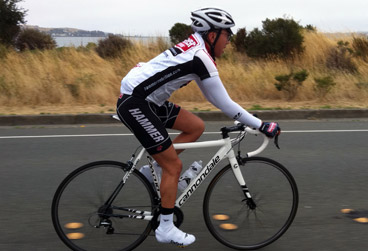
2008: Union Cycliste Internationale (UCI) launches the Biological Passport monitoring program.
2008: USADA launches the opening phase of Project Believe, a pilot voluntary program for monitoring athletes.
Milestone in regulatory context
1967: The International Olympic Committee (IOC) establishes a medical commission to deal with doping in sports.
2000: World Anti-Doping Agency (WADA, established in 1999) and United States Anti-Doping Agency (USADA) begin operations.
2004: the IOC transfers the management of the Prohibited List to WADA.
2007: The Mitchell Report, detailing the use of performance-enhancing drugs in Major League Baseball and recommending ways to combat it, is released.
Key setback for athlete(s)
1960: Danish cyclist Knut Jensen dies during a road race at the Summer Olympics in Rome; he was on a stimulant.
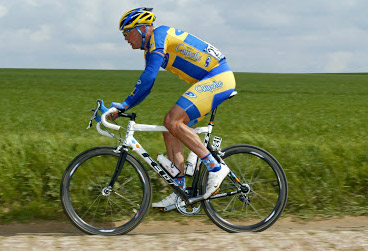
1967: British cyclist Tommy Simpson dies of an overdose of amphetamine, a stimulant, during the Tour de France.
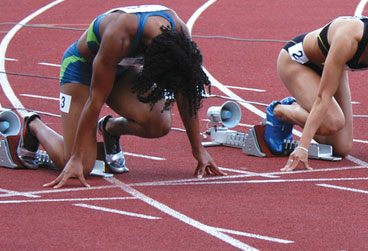
1988: At the Summer Olympics in Seoul, Korea, Canadian track and field sprinter Ben Johnson tests positive for stanozolol, an anabolic steroid.
1998: The Tour de France doping scandal, including doping substances seizures and doping confessions, shakes the world of cycling.
2008:  Track and field champion Marion Jones is sentenced to prison for lying to federal prosecutors investigating the use of performance-enhancing substances.
Accomplishment of Dr. Don Catlin
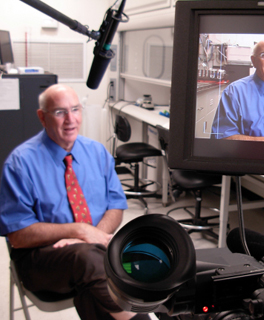
1982: Dr. Don Catlin founds the UCLA Olympic Analytical Laboratory, the first anti-doping lab in the United States.
1990s: Dr. Don Catlin is first to offer the carbon isotope ratio test, a urine test that can determine whether anabolic steroids were naturally made by the body or came from taking a prohibited substance.
2002: At the Winter Olympics in Salt Lake City, Dr. Don Catlin reports the blood booster darbepoetin alfa, a form of EPO (erythropoietin), for the first time in sports.
2002: Dr. Don Catlin identifies for the first time in an athlete’s urine sample norbolethone, the first reported designer anabolic steroid.
2003: In the BALCO Affair, Dr. Don Catlin identifies and develops a test for tetrahydrogestrinone or THG, the second reported designer anabolic steroid, in a sample from a used syringe turned in anonymously to USADA.
2004: Dr. Don Catlin identifies madol, the third reported designer anabolic steroid.
Since 2004: Dr. Don Catlin identifies several more designer steroids.
2005: Dr. Don Catlin and colleagues found the nonprofit organization Anti-Doping Research, Inc.
 

~ Complete Timeline

To view the complete timeline, scroll down.

 
1960: Danish cyclist Knut Jensen dies during a road race at the Summer Olympics in Rome; he was on a stimulant.
1967: British cyclist Tommy Simpson dies of an overdose of amphetamine, a stimulant, during the Tour de France.

1967: The International Olympic Committee (IOC) establishes a medical commission to deal with doping in sports.

1968: The IOC conducts the first doping control urine tests at the Olympic Summer Games in Mexico City.
1982: Dr. Don Catlin founds the UCLA Olympic Analytical Laboratory, the first anti-doping lab in the United States.
1988: At the Summer Olympics in Seoul, Korea, Canadian track and field sprinter Ben Johnson tests positive for stanozolol, an anabolic steroid.
Late 1980s: Some sports conduct the first out-of-competition doping control urine tests.
1990s: Dr. Don Catlin is first to offer the carbon isotope ratio test, a urine test that can determine whether anabolic steroids were naturally made by the body or came from taking a prohibited substance.
1998: The Tour de France doping scandal, including doping substances seizures and doping confessions, shakes the world of cycling.
2000: World Anti-Doping Agency (WADA, established in 1999) and United States Anti-Doping Agency (USADA) begin operations.
2002: At the Winter Olympics in Salt Lake City, Dr. Don Catlin reports the blood booster darbepoetin alfa, a form of EPO (erythropoietin), for the first time in sports.
2002: Dr. Don Catlin identifies for the first time in an athlete’s urine sample norbolethone, the first reported designer anabolic steroid.
2003: In the BALCO Affair, Dr. Don Catlin identifies and develops a test for tetrahydrogestrinone or THG, the second reported designer anabolic steroid, in a sample from a used syringe turned in anonymously to USADA.
2004: the IOC transfers the management of the Prohibited List to WADA.
2004: Dr. Don Catlin identifies madol, the third reported designer anabolic steroid.
Since 2004: Dr. Don Catlin identifies several more designer steroids.
2005: Dr. Don Catlin and colleagues found the nonprofit organization Anti-Doping Research, Inc.
2007: The Mitchell Report, detailing the use of performance-enhancing drugs in Major League Baseball and recommending ways to combat it, is released.

2008:  Track and field champion Marion Jones is sentenced to prison for lying to federal prosecutors investigating the use of performance-enhancing substances.

2008: Union Cycliste Internationale (UCI) launches the Biological Passport monitoring program.
2008: USADA launches the opening phase of Project Believe, a pilot voluntary program for monitoring athletes.

Home  |  About Us  |  The Lab & The Library  |  The Conference Room   |  The Locker Room  | The Press Room  |  The Top Floor  |  Site Map
Anti-Doping Research, Inc. © 2008