
“Diana Taurasi, Alberto Contador cases highlight questions facing anti-doping movement”
by Amy Shipley, Washington Post, February 27, 2011.
According to a Washington Post analysis, “about half of the more than 250 athletes sanctioned for testing violations since 2000 were penalized for unwitting consumption, misfortune or use of recreational drugs that remain banned though they are not known to be performance-enhancing.”
“Drug-Spiked Fruta Planta Fulfills FDA's Worst Fears”
Nutrition Business Journal, January 4, 2011.
Prompted by consumer heart health issues and at least one death, the Food & Drug Administration has halted sales of the weight-loss supplement Fruta Planta after lab tests revealed an undisclosed drug in the product.
“Ghent Laboratory Supports Costa Brothers’ Claims”
Cycling News, December 28, 2010.
Mario and Rui Costa’s claim that their positive tests for methylhexaneamine in June were caused by a contaminated dietary supplement has been backed up by new lab tests.
“FDA Cracks Down on Illegal Supplements”
Associated Press, December 15, 2010.
The Food & Drug Administration is warning consumers that some dietary supplement manufacturers are hiding that their products contain illegal and dangerous ingredients.
"Athletes warned of supplement risk"
by Jim Wilson, The Herald Sun, updated November 2, 2010.
New warnings are issued to athletes regarding the risks of using dietary supplements that may contain the banned substance methylhexaneamine.
"U.W. Drug Scandal Should be Warning to All, Beckie Scott Says"
by Christine Rivet, The Record, September 21, 2010.
Cross-country skier Beckie Scott discusses the University of Waterloo football team performance-enhancing drug scandal and why she's a clean-sport advocate.
“Colin Hoobler: There are Plenty of Reasons to Never, Ever Take Steroids”
Syndicated Column, OregonLive.com, July 7, 2010.
Using steroids is illegal, has health risks and cheats one’s teammates, friends and family as well as oneself, offers Dr. Linn Goldberg, the lead researcher in a steroid prevention program for high school football players called ATLAS.
“Study Finds Supplements Contain Contaminants”
by Gardiner Harris, New York Times, May 25, 2010.
Nearly all of the herbal dietary supplements tested in a Congressional investigation contain trace amounts of contaminants.
“Growth Hormone Not Safe or Effective in Slowing Aging”
Harvard Men’s Health Watch, May 11, 2010.
According to the Harvard Men’s Health Watch, which reviewed the results of 31 studies, human growth hormone is neither safe nor effective in slowing aging or boosting performance.
“Long-term Steroid Use Damages the Heart, Research Shows”
by Thomas H. Maugh II, Los Angeles Times blog, April 27, 2010.
New research shows that long-term use of anabolic steroids can severely impair the heart’s ability to pump blood throughout the body.
“Stricter Oversight of Dietary Supplements Closer,”
by Howard Fendrich, Associated Press, March 11, 2010.
Democrat and Republican senators come together to outline changes and build support in the Senate for greater federal regulation of dietary supplements.
“A Survey of Youth Sports Finds Winning Isn’t the Only Thing”
by Mark Hyman, New York Times, January 30, 2010.
A research project by a high school sophomore is making headlines for revealing that youngsters compete in sports primarily for fun.
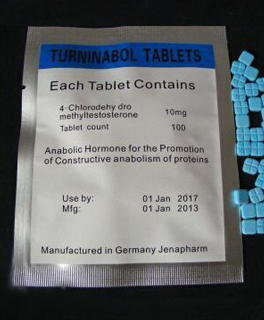
“Surprised? Black Market Steroids Usually Mislabeled”
by Karla Gale, Reuters Health, Dec. 7, 2009.
A new study reveals that steroids bought illegally via underground labs often contain wrong dosages or none of the drugs listed on their labels.
“New Biological Passport Provides a New Tool in Fight Against Doping”
Guardian.co.uk, December 2, 2009.
The World Anti-Doping Agency (WADA) ratifies guidelines, which take effect immediately, to streamline its Athlete Biological Passport program and allow for biological values to be plotted over time.
“Kentucky Racing Panel Acts to Improve Horse Drug Testing, Curb Costs”
by Jeffrey McMurray, Associated Press, December 1, 2009.
The Kentucky Horse Racing Commission approves measures to make drug-testing procedures more efficient.
“Drugs and Cheats Stay a Step Ahead of the Game”
by Tim Dahlberg, Associated Press, November 4, 2009.
A column about the enormity of the current problem of performance-enhancing drug use in many sports.
“Barred for Drugs, Trainers Return to Track”
by Joe Drape, New York Times, November 4, 2009.
An article highlighting the doping problem in horse racing and those with sometimes multiple and serious drug violations quickly returning to the sport.
“Congress Examines Supplements with Steroids”
by Frederic J. Frommer, Associated Press, September 29, 2009.
Sen. Arlen Specter, a Democrat from Pennsylvania, is examining whether regulations for dietary supplements need to be strengthened in light of evidence that steroids and other banned performance-enhancing drugs have found their way into over-the-counter products being sold legally.
“Doping Scandals in Tennis Are Few, but Concerns Persist”
by Katie Thomas, New York Times, September 9, 2009.
A look at the current state of doping and testing in professional tennis.
“A Survey of Youth Sports Finds Winning Isn’t the Only Thing”
by Mark Hyman, New York Times, January 30, 2010.
A research project by a high school sophomore is making headlines for revealing that youngsters compete in sports primarily for fun.
“Surprised? Black Market Steroids Usually Mislabeled”
by Karla Gale, Reuters Health, Dec. 7, 2009.
A new study reveals that steroids bought illegally via underground labs often contain wrong dosages or none of the drugs listed on their labels.
“Supplements for Athletes Draw Alert from F.D.A.”
by Natasha Signer and Michael S. Schmidt, New York Times, July 28, 2009. “Federal regulators warned consumers on Tuesday not to use body-building products that are sold as nutritional supplements but may contain steroids or steroid-like substances, citing reports of acute liver injury and kidney failure.”
“Poll: Kids don’t look up to cheating athletes”
The Sports Investigative Team: The I-Team Blog, New York Daily News, July 16, 2009. According to a new poll conducted by Sports Illustrated Kids and C&R Research, 86% of kids say athletes proven to have used performance-enhancing drugs should be barred from their sports’ Hall of Fame.