


Even at the Olympic level, the supposed epitome of drug
testing, screening for illegal substances remains ineffective and
inadequate. Even worse, this laxity is even more widespread for
professional sport leagues (FIFA, NFL, MLB, NBA, etc).
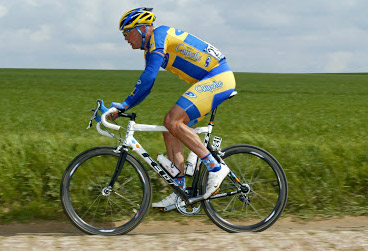
In a personal piece written exclusively for ADR, former elite cyclist Brian Kelly looks back on his career and discusses the constant pressure to dope in cycling. .
Read More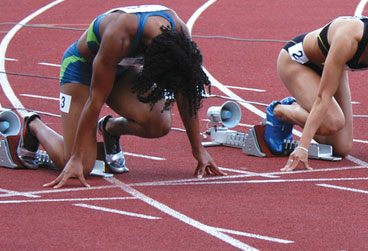
ADR is one of the world's leading scientific institutes battling the use of performance--enhancing drugs.
Read More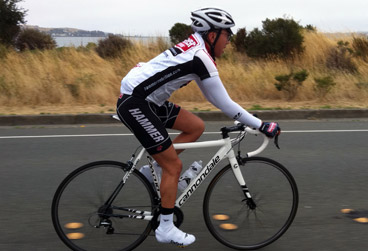
Help fight the battle against performance-enhancing drugs in sport, and learn how to contribute to ADR.
Read MoreAnti-Doping Research is at the forefront of performance-enhancing drug research organizations in the world. Our Mission is to get rid of illegal performance-enhancing drugs by uncovering new substances and developing tests to detect them. This non-profit organization is part grassroots campaign, part collaboration and part think tank. ADR was founded in 2005 by its CEO, Don Catlin, M.D., along with his son, Oliver Catlin,VP and CFO, along with other colleagues. Widely considered one of the fathers of drug testing in sports, Dr. Catlin founded the first anti-doping lab in the United States, the UCLA Olympic Analytical Laboratory, and served as its director for 25 years. He has overseen drug screenings at every level of sport, including Olympic, professional and collegiate, and he and his team are responsible for pioneering many of the drug identification techniques currently used today.
Don Catlin, M.D. & Colleagues Publish Authoritative Four-Decade Review of Doping in Sport
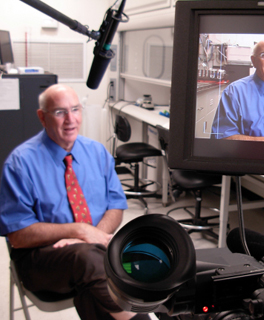
Don H. Catlin, M.D., a renowned longtime sports anti-doping researcher, is considered a father of dr
Read More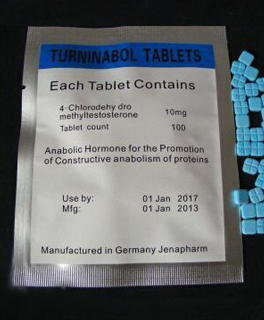
Intrigue continues to swirl after a recent article in SportsNet brought up potential questions surro
Read More